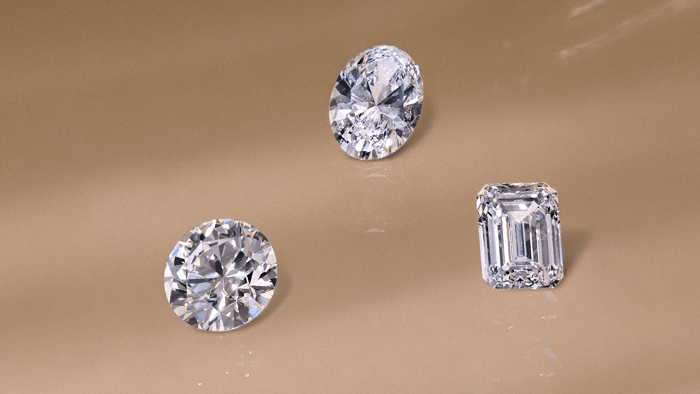

When Cristiano Ronaldo recently proposed to Georgina Rodríguez with a breathtaking oval-cut diamond ring, sparking an online discourse that still hasn’t died down. The colossal gem, reportedly between 15 and 35 carats and worth several million dollars, instantly reignited interest in this elegant, elongated cut. But were oval diamonds ever truly out of style? With its captivating brilliance and flattering shape, this cut holds an already long and bright history.
77 Diamonds invites you today to discover the oval cut diamond, its intriguing ‘bow-tie effect,’ and why its shape remains among the smartest choices for engagement rings. Get inspired by handcrafted pieces from 77, and why not spark your own creativity by designing your very own oval diamond ring?
A Sparkling History
The story of oval diamonds traces back centuries. One of the earliest known ovals, the Koh-i-Noor, was reshaped into an old mine-style oval stone for Queen Victoria once it came into British hands in 1852, transforming from 186 carats to roughly 105. Its elongated outline set the stage for future interpretations of the oval form.
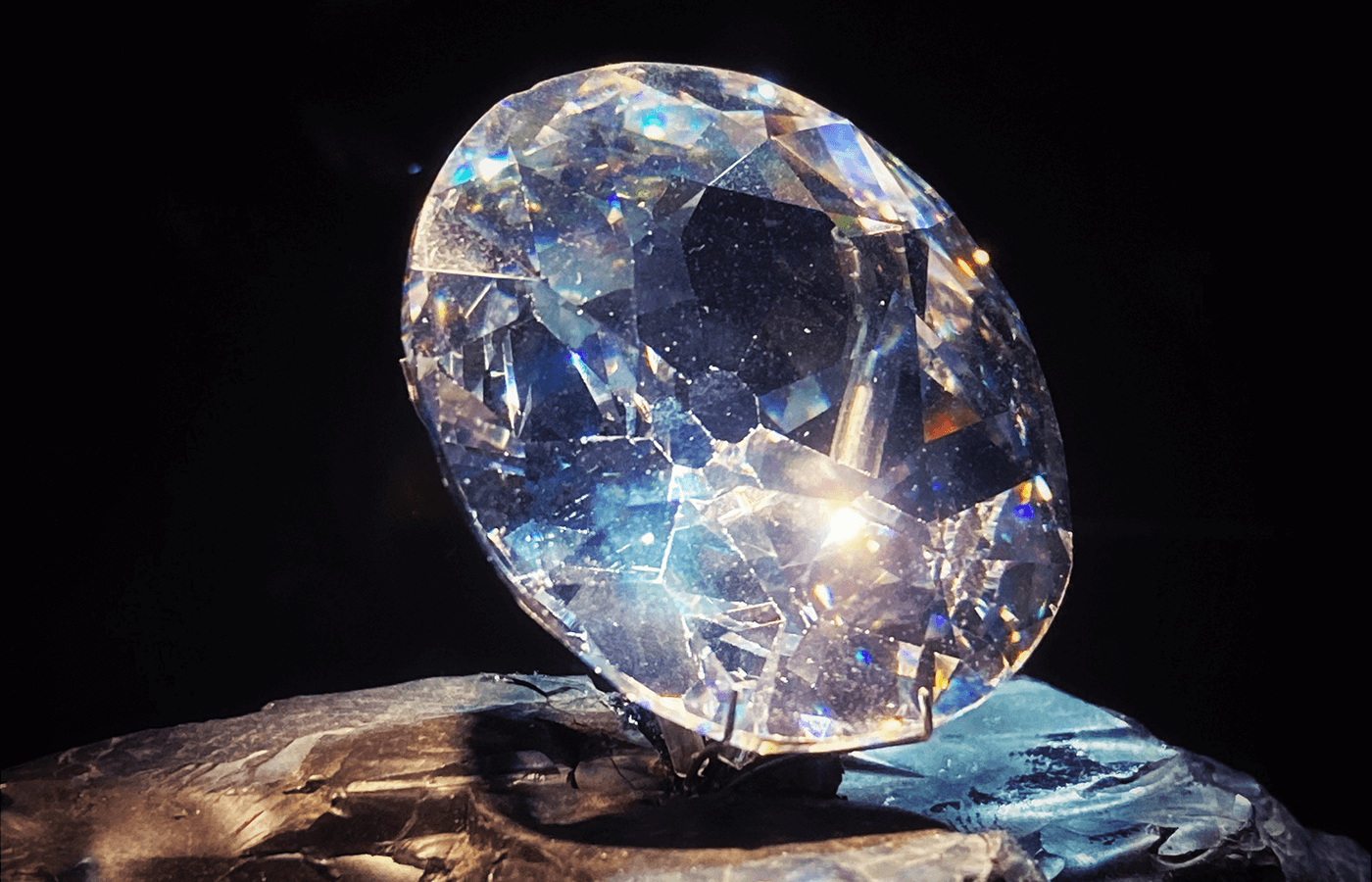
Replica of the Koh-i-Noor diamond at Prince of Wales Museum of Western India, Mumbai. Credit: Aiva, Flickr
Later on, we find other famed oval-cut diamonds include the Pigot Diamond (47.38-carat), once raffled off in London; the Empress Eugénie Diamond (roughly 51-carat), a treasured gem of French royalty; and the soft pink Noor-ul-Ain diamond (around 60 ct), part of Iran’s Crown Jewels. In more recent times, dazzling specimens such as the Beluga Diamond (a whopping 102-carat, D-colour, internally flawless stone) and a 118-carat oval auctioned at Sotheby’s in 2013 at a record price have showcased the cut’s enduring allure.
Still, the modern oval brilliant, what we admire today on celebrity hands, did not exist until 1957. Lazare Kaplan, a Russian-born cutter working in New York, ingeniously reinterpreted the round brilliant. By elongating its outline yet preserving its 58-facet brilliance, Kaplan created an oval that maximised sparkle while appearing visually larger. Luxury houses quickly embraced the design, ensuring the oval brilliant was not just a fleeting experiment, but a permanent fixture in fine jewellery.
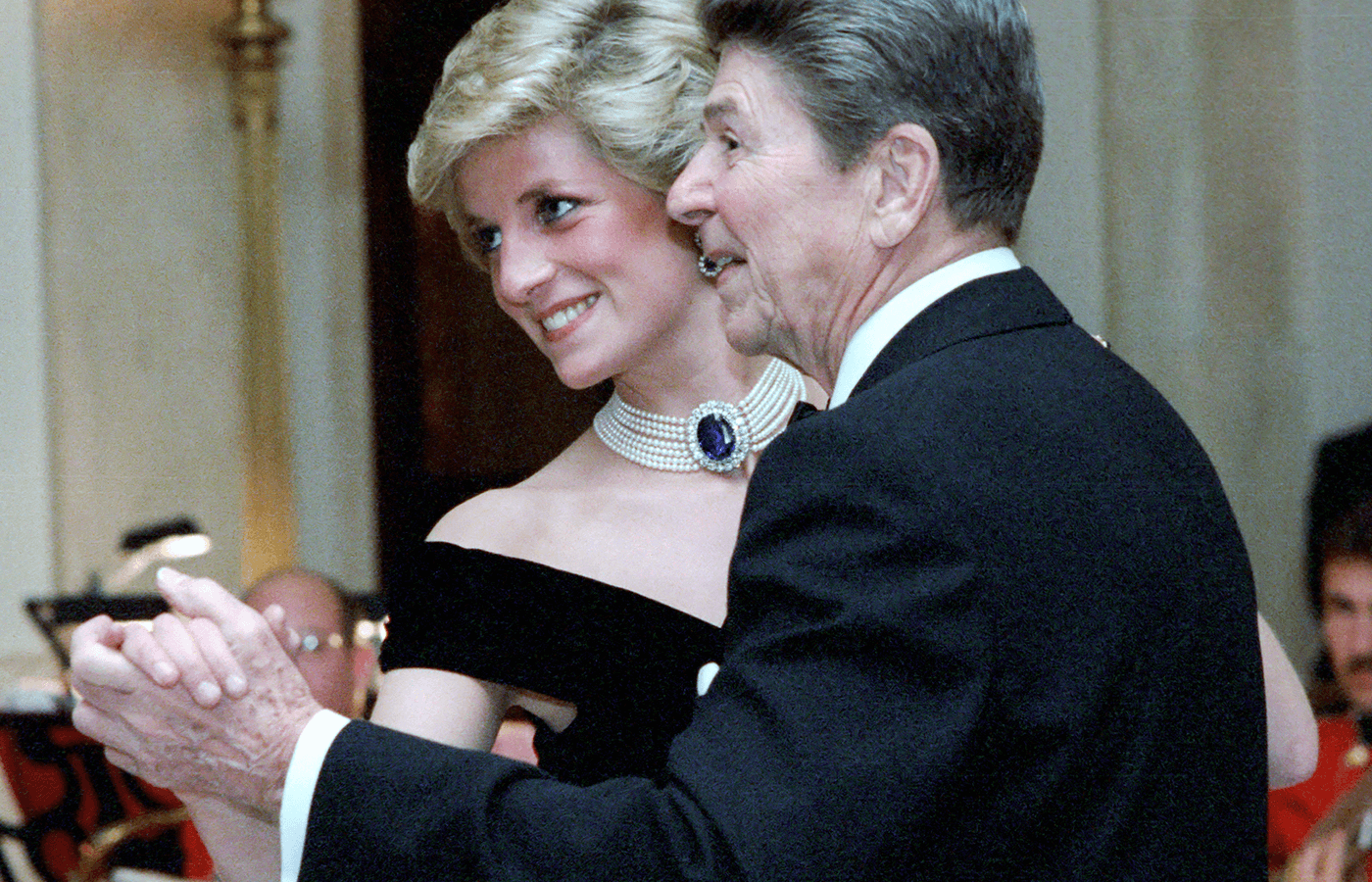
Princess Diana did a lot to popularise the oval cut by wearing an oval sapphire choker and her famous oval sapphire ring.
The oval diamond has since been linked to modern glamour, gracing the hands of many celebrities. Princess Diana’s iconic sapphire engagement ring, though not a diamond, cemented the oval silhouette as a royal favourite. Today, Ronaldo’s grand gesture continues that lineage, bringing this cut from the history books into football royalty.
The Bow-Tie Effect — Dressed to the Nines
One distinctive feature of elongated cuts (such as oval, marquise, pear) is the bow-tie effect. This optical quirk appears as a shadow across the center of the stone, shaped like a bow tie. It occurs when light escapes rather than reflects back to the eye, a result of how facets align within elongated shapes.
The term might sound like a flaw, but in reality, almost every oval diamond displays some degree of bow tie. The difference lies in how it’s managed. In poorly cut ovals, the bow tie can appear overly dark or distracting. In well-proportioned stones, however, the effect is faint, blending naturally with brilliance to give the stone depth and personality.
Diamond cutters with exceptional skill know how to minimise this shadow without compromising sparkle. By carefully adjusting pavilion angles and facet symmetry, they strike a balance between light return and shape appeal. That mastery was evident in Ronaldo’s ring: as you can see on social media, the oval dazzles without any distracting dark patch, suggesting it was cut with precision to maximise radiance (yes — a flawless stone!).
In short, a bow tie in an oval isn’t a defect, it’s a signature feature of the cut. When controlled, it becomes part of the diamond’s visual character: dressing the stone to the nines, so to say.
A Classic Choice: All Pros, No Cons
For anyone considering an engagement ring, oval diamonds present an array of advantages:
They elongate the finger. The stretched outline gives an elegant, slender look, making the wearer’s hand appear longer and more graceful.
They look larger for their weight. Because of their surface area, ovals often appear bigger than round diamonds of the same carat weight. It’s one of the most efficient shapes if you want visual impact.
They balance brilliance with romance. Ovals share the same facet pattern as rounds, delivering exceptional sparkle, but their curves lend them a softer, more romantic feel.
They adapt beautifully to different designs. From classic solitaires to elaborate halo or trilogy settings, oval diamonds shine in nearly any style.
It’s this versatility that makes the oval such a popular choice today. For someone uncertain about which cut to pick, the oval offers a best-of-both-worlds approach: dazzling sparkle with a graceful shape No wonder it consistently ranks as a go-to option in engagement ring trends, and is one of our best-selling shapes here at 77 Diamonds.
Our Top Ring Styles for Oval Diamonds
To illustrate just how versatile oval diamonds can be, here are three standout styles from 77’s own collection:
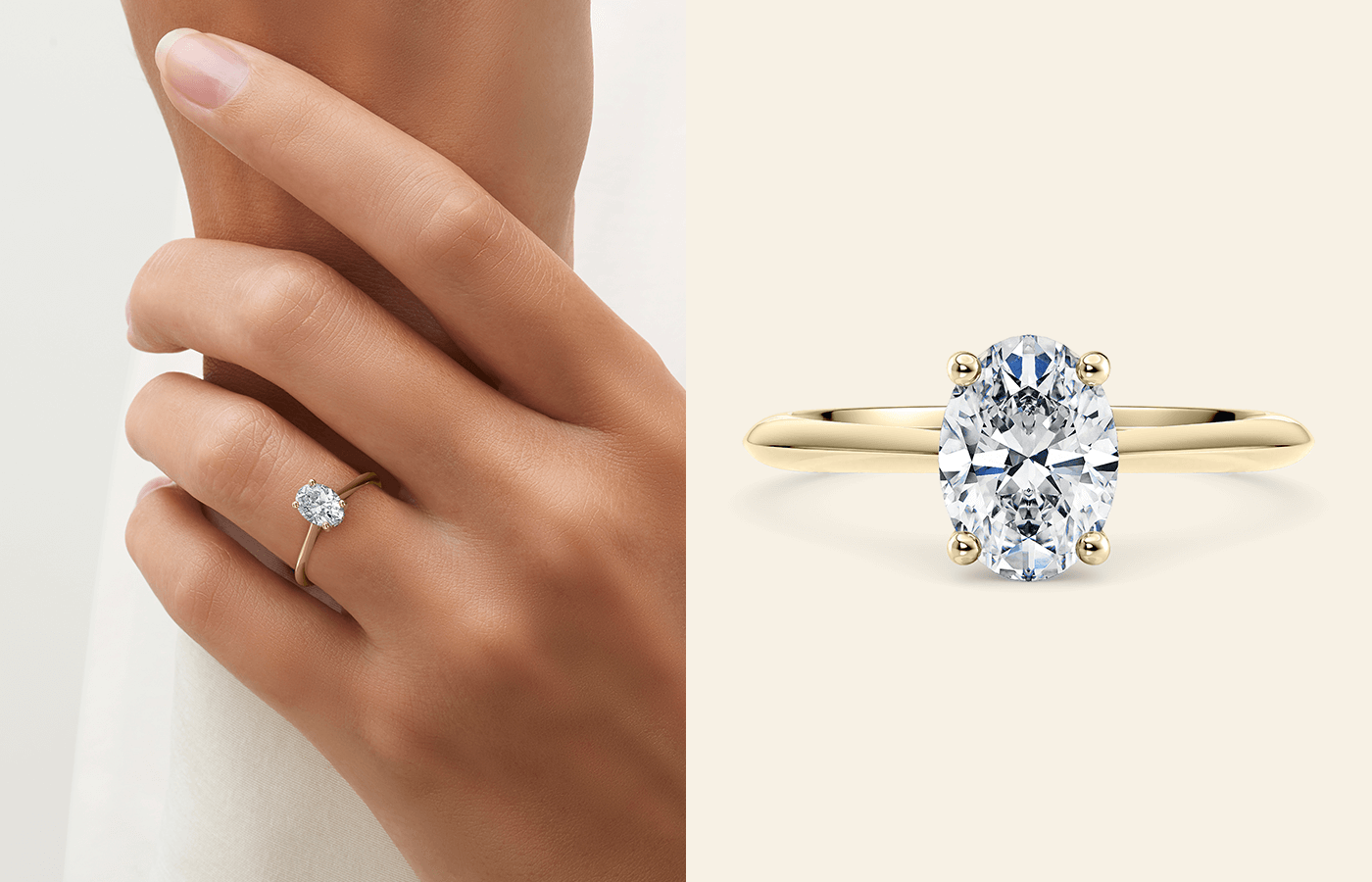
Hope Solitaire (18K Yellow Gold)
The Hope solitaire epitomises modern minimalism. Its clean, contemporary lines and subtle accent diamonds allow the oval to remain the undeniable star. Perfect for those who want a timeless design, choose this ring in Yellow Gold for a traditional feel.
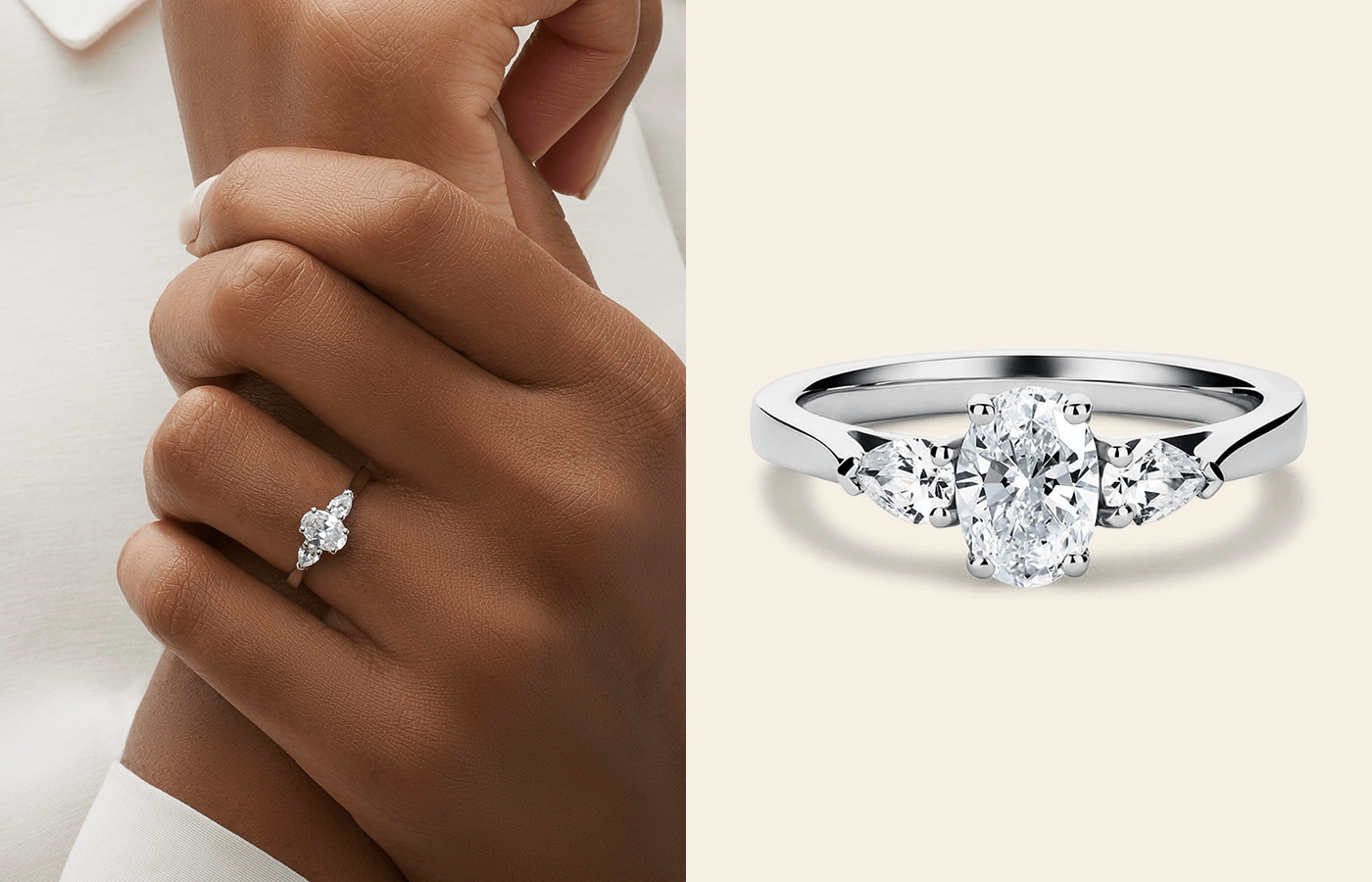
Barcelona Trilogy (Platinum)
For symbolism and symmetry, the Barcelona trilogy makes a profound statement. An oval center stone is flanked by two pear-shaped side diamonds, representing past, present, and future. The platinum setting enhances the centre stone’s sparkle, making it shine from every angle.
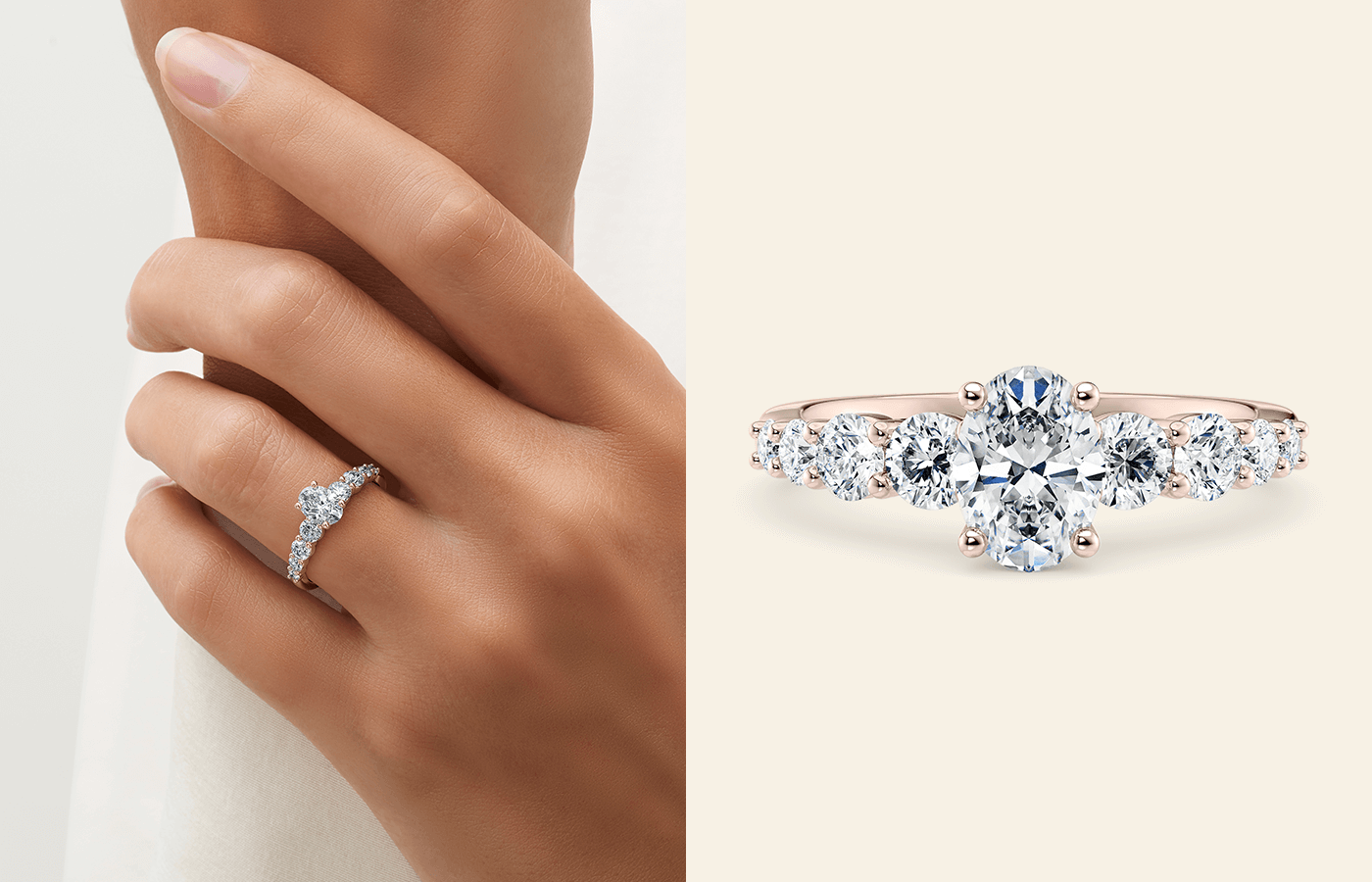
Lyra Diamond Band (18K Rose Gold)
The Lyra diamond band is all about romance. A sleek pavé band adds a glittering frame around the oval centerpiece, heightening its brilliance while keeping proportions delicate. This style works especially well in Rose Gold for that romantic and elegant finish.
Looking for the Next Best Sparkle? Take Your Cue from Celebs
Celebrity proposals have always shaped jewellery trends, and the oval diamond is no exception. Ronaldo’s engagement has reminded the world of its glamour, but he’s not alone in championing the cut.
Lady Gaga’s 2024 oval ring, framed with a halo of pink ombré diamonds, sparked headlines not just for its size but also for its creativity. It proved that the oval could be both classic and cutting-edge. Similarly, Princess Diana’s sapphire engagement ring, later worn by the Duchess of Cambridge, kept the oval silhouette in the spotlight for decades.
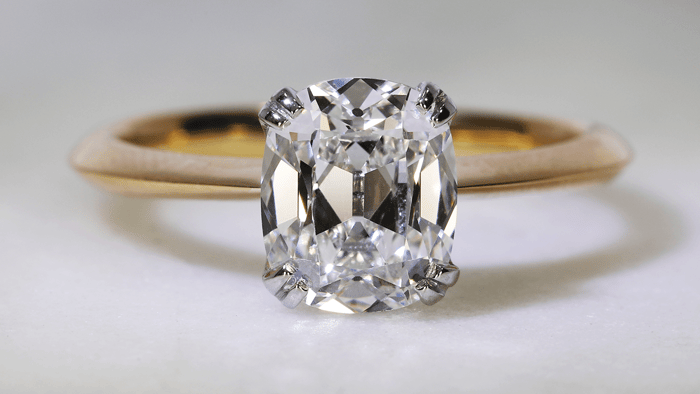
Taylor Swift’s recent engagement ring, though not set with oval diamonds but an elongated cushion antique cut, has already caused a surge in demand for vintage-inspired styles. This parallel shows how quickly celebrity choices ripple into wider fashion. As Swift’s ornate antique ring reshapes consumer interest in vintage engagement rings, Ronaldo’s ultra-modern oval is expected to boost demand for elongated brilliants in 2025.
From Napoleon’s Toi et Moi rings in the 18th century to today’s superstar proposals, diamonds and famous figures have always been entwined. Each high-profile engagement sparks a wave of trends, reminding us that jewellery isn’t just adornment: it’s storytelling, symbolism, and cultural influence all in one.
With Cristiano Ronaldo and Taylor Swift setting the tone for 2026, it’s clear: the romantic appeal of diamonds isn’t just back, it’s taken center stage.