
Once considered a curiosity of science, lab-grown diamonds have become the jewellery industry’s hot topic. You see them more and more: sparkling on the red carpet, in boutique windows, and increasingly, finding their way into private jewellery boxes.
Across the globe, the conversation around what makes a diamond ‘precious’ is noticeably shifting. Younger buyers are prioritising transparency, sustainability and luxury consumers are rethinking tradition in favour of personal choice. At 77 Diamonds, we’ve witnessed a striking evolution: lab-grown diamond sales have surged by nearly 50% between January 2023 and January 2025. What does this really mean for the future of fine jewellery?
First things first: what actually is a lab-grown diamond?
Lab-grown diamonds are chemically, physically, and optically identical to mined stones. The difference lies in origin. Instead of forming over billions of years beneath the Earth’s crust, these gems are cultivated in controlled laboratory environments that replicate nature’s conditions at breathtaking speed.
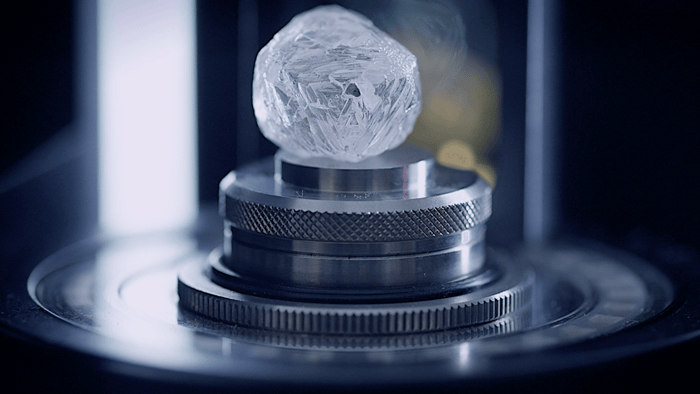
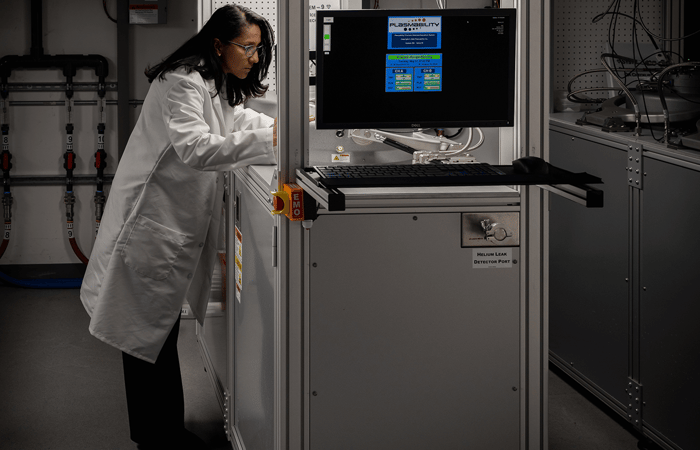
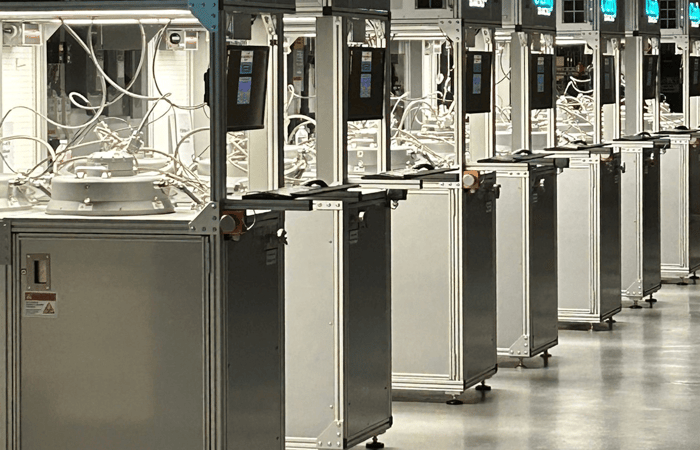
Two main methods define this craft: High Pressure High Temperature (HPHT) and Chemical Vapour Deposition (CVD). In HPHT, a diamond seed is placed under immense pressure and heat until carbon atoms crystallise around it, layer by layer. In CVD, a carbon-rich gas is ionised within a vacuum chamber, and carbon atoms accumulate onto a diamond ‘seed’.
Timelapse of diamonds being grown through the CVD process (top view).
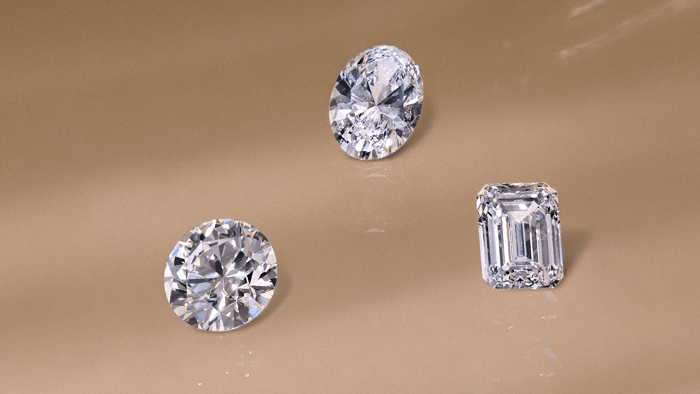
At 77, we treat lab-grown stones with the same precision and care as their natural counterparts. They are independently certified by reputable grading laboratories, measured by the same 4Cs (cut, colour, clarity, carat), and carefully curated to reflect our high standards.
So yes: they are very much ‘real’ (chemically speaking). What differs is their story, and that distinction shapes how people value them today.
A popular choice — not just for their sparkle
The rise of lab-grown diamonds is not what we would call a glittering story, in fact it’s mostly based around hard-hitting numbers: the reality is that these stones offer undeniable beauty at a fraction of the price of their natural counterparts.
According to Rapaport, the authoritative voice in diamond pricing, lab-grown diamonds often retail for 60% to 80% less than natural ones of similar quality. In some markets, average sale prices for lab-growns hover around $2,700, compared to $6,300 for natural stones. Even industry giants acknowledge that this dramatic affordability has altered the entire luxury landscape.
Comparing our own customer purchases in January 2023 and January 2025, sales of lab-grown pieces rose by nearly half, marking a pivotal change in preferences. Clients are discovering that they can choose larger carat sizes or exceptional clarity grades without compromising on design or brilliance.
As Rapaport Magazine notes, the appeal of lab-grown isn’t only about price, it’s about choice. A jewellery lover might prefer versatility over tradition. And the result? Diamonds are no longer confined to milestone moments, they’re entering everyday luxury.
But here’s the catch
We have noticed that while lab-grown diamonds are thriving across bracelets, earrings, and pendants, their popularity in engagement rings (i.e. the emotions-based side of fine jewellery) has grown more cautiously.
For many couples, a natural diamond still holds symbolic weight: the sense that something formed over billions of years can serve as a lifelong promise. It would be remiss not to mention the undeniable romance to that narrative.
Then, there’s the matter of long-term value: lab-grown diamond prices have fallen sharply over recent years. According to Rapaport again, synthetic-diamond wholesale prices have plummeted by 87% since 2018, with wholesale values sometimes dropping to $99 per carat. Analysts suggest further declines could reach 50% to 80% per cent. By contrast, high-quality natural diamonds, while not immune to market pressures, tend to hold steadier over time, especially for rare stones.
For this reason, many retailers do not offer buy-back or trade-in options for lab-grown stones. That, of course, doesn’t diminish their beauty, but it does shape their symbolism. Natural diamonds are still the stones people envision being passed down through generations, their value, both financial and emotional, carries over the years.
So, what does the future hold for synthetic sparkle?
As technology evolves and tastes diversify, both natural and lab-grown stones are carving distinct roles within the modern jewellery landscape.
Diamonds for everyone
Lab-grown diamonds are democratising luxury. They allow more people to own beautiful jewellery without the steep premiums attached to rarity. A one-carat diamond ring that might once have seemed totally unattainable can now sit comfortably within the reach of many. For everyday adornment, special gifts, or striking design pieces, they open up creative freedom.
A different kind of sentiment
While a natural diamond might still symbolise legacy and heritage, lab-growns are forging their own emotional vocabulary, one tied to innovation and personal choice. A diamond with a lower price point can open up more creative freedoms when it comes to jewellery design, allowing customers to extend their budget and create something that is entirely unique.
Diamonds beyond jewellery
Outside the world of luxury, lab-grown diamonds are finding new purpose in technology and industry. Their strength, heat resistance and optical clarity make them ideal for advanced applications, from semiconductors and medical imaging to quantum computing: a sparkling future that goes beyond 'just jewellery'.
A green promise (if done right!)
One of the most compelling promises of lab-grown diamonds lies in their potential sustainability. In theory, every diamond’s origin can be traced with precision: which lab it came from, what energy source was used, and under what conditions it was made. However, this potential isn’t yet fully realised: most facilities rely on conventional energy sources (such as coal) to produce stones in large quantities. Be wary of brands that claim their lab-grown diamonds are ‘sustainable’ if no information is given as to how they were produced.
Two worlds: one shared brilliance
Rather than being rivals, natural and lab-grown diamonds can thrive together. Natural stones will continue to hold emotional weight, while lab-growns, on the other hand, invite a sense of creativity, personal expression, and (dare we say?) a playfulness that’s sometimes missing in the field of luxury.