
A STEP-BY-STEP GUIDE
How to sell your diamond or jewellery
Owning valuable jewellery or precious stones comes with certain responsibilities, especially when you intend to sell your item. This is a big decision, and can be very advantageous if done correctly. To get you started, we have prepared this step-by-step guide for selling your scintillating gems.
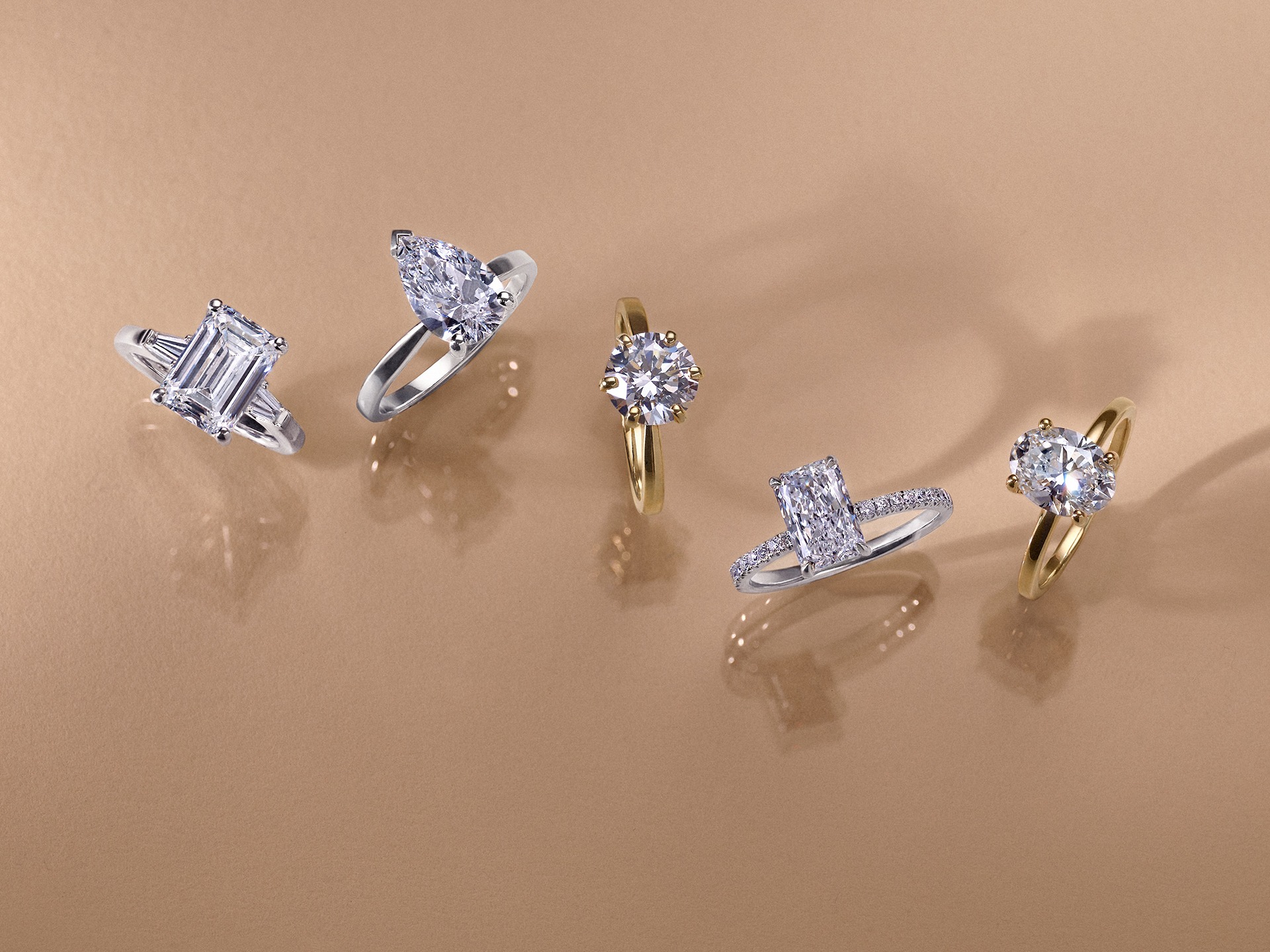
STEP 1
Do Your Research
Before contacting a potential buyer, it's essential you first understand the pitfalls in jewellery and gemstone trading. By selling a valuable item, you do run the risk of being shortchanged. This often happens with untrustworthy or uncertified buyers, who will devalue your item and offer the lowest price. You should also avoid selling to individuals who contact you, unless you are sure they can be trusted.
You will get the best price if you properly understand the value of the item you're selling. If a diamond, it's important you understand grading standards such as the 4Cs, and if possible, further details such as fluorescence, polish and symmetry. Of course, holding an official grading report would be ideal. We also offer a range of guides around diamonds and coloured gemstones to help you better ascertain your item's quality.
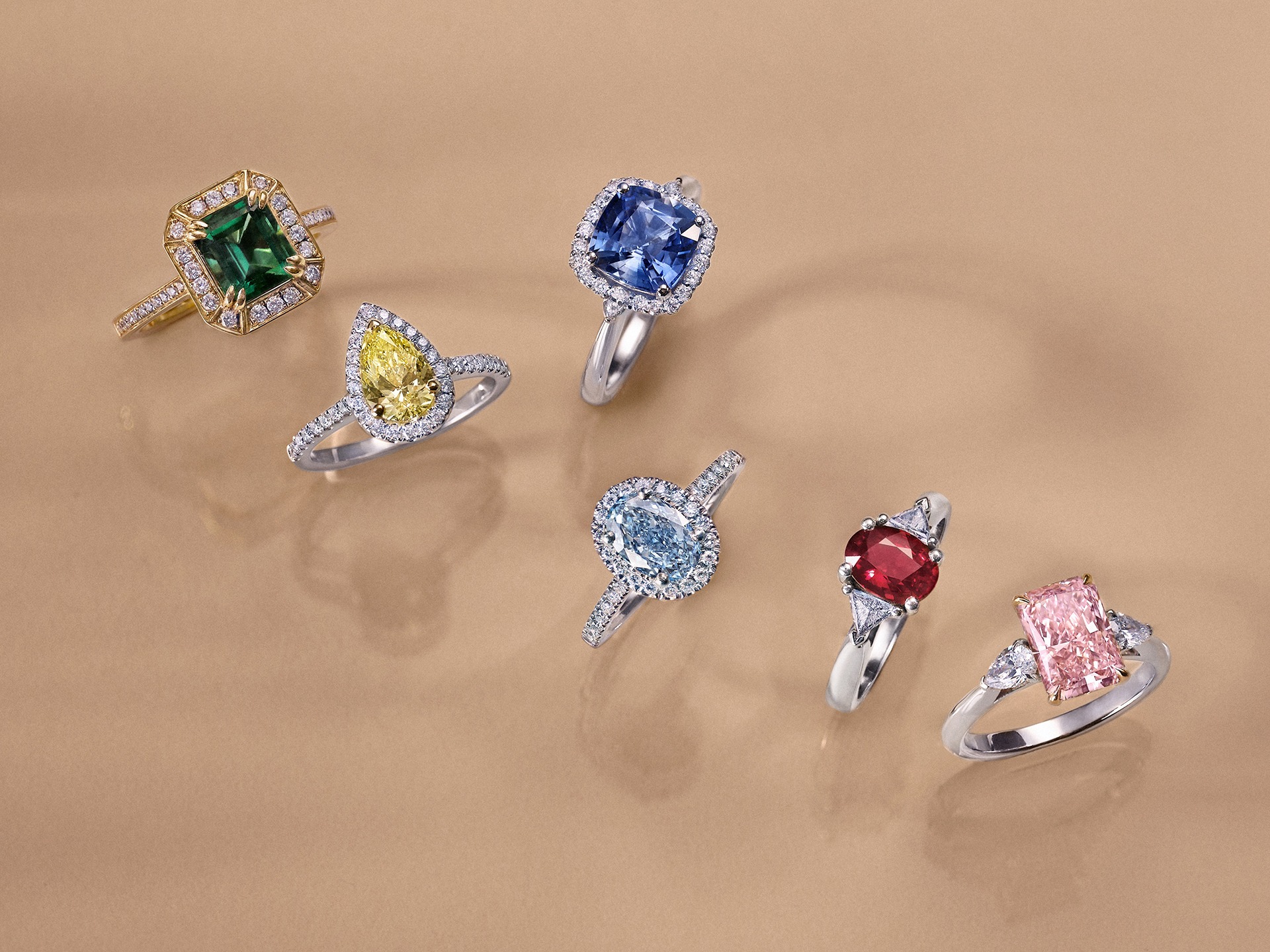
STEP 2
Appraise Your Item
After you feel confident in your knowledge of the industry, and have a good enough understanding of your item's quality, you'll then get it appraised by a professional. This will ensure you're on the right track, and give you final confirmation on quality. An appraisal will help ascertain the price at which you would like to sell your item.
If you suspect your gem can be sold at a high price, we recommend you get it appraised by a professional company or association, which often comes with a service fee. The benefit is that you will receive an impartial value report, which will then be put into writing.
Alternatively, you can have your jewellery or gem appraised at a local jewellers, which is sometimes free of charge. We recommend you visit multiple jewellery shops to get a range of opinions, and do so for lower value items. Instincts matter, so be wary of jewellers who wish to immediately purchase your item, and do not be pressured into selling if you feel something isn't quite right.
Another helpful method would be to check the prices of similar looking jewellery or gems online, but best combine this with an official form of appraisal.
STEP 3
Decide Where To Sell
Only start searching for a buyer when you're completely sure of your item's price. Think about what your ideal price would be, and decide on the lowest possible offer you'd accept should there be any negotiations.
Local Jewellers
You can approach your local jeweller to see whether they would be willing to purchase your item. It's always best to select a jeweller who is well-respected, and whom you can trust. If you are selling vintage jewellery, or an old-cut diamond, we recommend you approach a jeweller specialised in antique jewellery. If you decide to approach multiple jewellers before making a sale, it's always a good idea to request a price estimation in writing.
Diamond Specialists
For loose stones, another option would be to contact a diamond and gemstone seller, as they are certified gems specialists. They'll be able to give your item a price estimate, and many will provide this in writing. Please note that reputable diamond specialists can be difficult to find, and appraisals do vary, so best do your research beforehand.
We recommend specialists such as TOVA Diamonds, who accept a range of diamonds and coloured gemstones, provided your item has independent certification (GIA, IGI, HRD, EGL etc.) You can visit their website at www.tovadiamonds.com.
Selling Online
You can also sell your item independently online, via retail websites such as Etsy, or auction sites like eBay. Only do this when you are comfortable with your item's price, and check if the website you're using takes a commission on the sale.
Remember that by selling online, you also take the responsibility to send the item to any potential buyer securely. We recommend you look into secure shipping services if your item is very valuable. You'll also need to check any import fees and duties depending on the location you're sending to.
Furthermore, it's very important you receive payment confirmation before sending your item. Never accept deals that are cash in hand, and avoid direct online payments that aren't made via the website.
Frequently Asked Questions
Generally, it isn't recommended to sell your diamond without a certificate. An independently graded diamond ensures its quality is accurate, and helps promote better transparency in the industry.
By selling your diamond without a certificate, you risk dealing with disreputable merchants who may not give you a fair price. Any reputable diamond retailer accepts only certified gems, and may even favour certain grading laboratories over others.
The final offer on your diamond will depend on its size and 4Cs quality. The rarer and more beautiful the gem, the higher its value. Coloured diamonds can also fetch higher prices due to their scarcity.
Remember, prices rise exponentially along with a diamond's size, which means there can be a considerable price difference between a 0.90ct 1.00ct diamond, for example. This is why it's always best to check average diamond prices which relate to your specific diamond size.
Unless your diamond is of great value, has rare qualities that cannot commonly be found on the market, or was bought a long time ago, there is always a chance you may be selling at a loss. This can happen and is something that you will need to consider when deciding to sell your item. It's best to know beforehand what is the minimum price you would sell at, to avoid any significant losses.
If you have a loose diamond, you can also have it set in jewellery, which could add more value to your item.
The process of selling precious stones can depend on whether you are selling them loose, or set into a jewellery piece. The value of your item might increase if it is made in a high-quality precious metal, such as 18k gold or platinum.
Some diamond merchants may only accept loose diamonds, whereas other retailers may only be looking for fine jewellery items set with diamonds. This all depends on the type of seller you contact, and you may need to contact a few before making a decision.
The research needed before selling your item may take some time, as you will most likely be looking for a range of quotes to find the ideal price. This will also depend on your level of experience in diamond selling.
If you wish to sell your ring immediately and do not wish to spend too much time worrying about costs, there are many companies that can offer an accurate price for your item in under 24 hours, such as www.tovadiamonds.com.
Diamonds do have a market price based on size, colour and clarity. These prices are updated weekly by Rapaport, which establishes the benchmark for diamond pricing globally. These prices reflect the changes in the global diamond market week on week, however, this only applies to clear (also known as 'white') diamonds. Coloured diamonds, on the other hand, do not have a market price.
Diamond merchants will most likely be following such fluctuations, and will offer you a price that reflects current market prices.
Still Unsure?
Once all is said and done, you may be wondering if you'll have any regrets selling your item. That's perfectly understandable, and you needn't rush a sale if you have doubts. There are a range of other options available that do not involve selling your item directly.
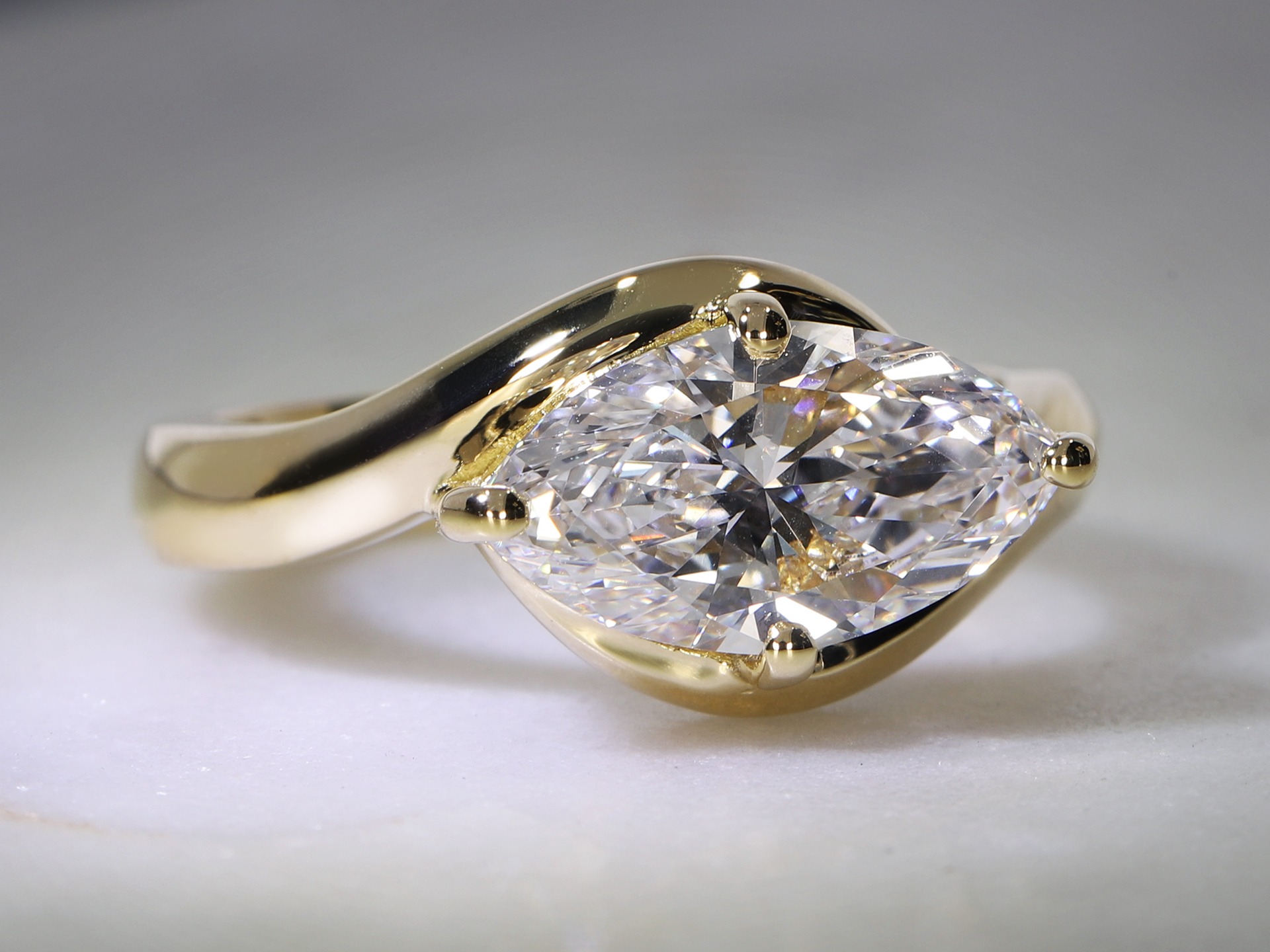
Create a Bespoke Piece
A great way to repurpose your precious gems is to create bespoke jewellery. This is a fun and creative way to add even more value to your loose diamond or gemstone, and create a piece that reflects your personality. At 77 Bespoke, you can work with a designer directly to create your very own item. If you have an idea in mind for bespoke jewellery, be sure to send us an enquiry for a quote.
Select a Pawnbroker
Another option would be to select a pawnbroker, who will lend you money in exchange for your item. If you haven't repaid your loan after a certain time, the pawnbroker then takes ownership of your item and can resell it. Certain rules can change depending on the service you select, so be sure to read a pawnbroker's terms and conditions carefully. And remember: only use a pawnbroker when you're certain you can repay the loan.
Buying a replacement diamond or jewellery?
If you are planning to replace your diamond jewellery with something different, you can also return your item within 30 days and purchase something similar in our diamond engagement rings or diamond jewellery. At 77 Diamonds, we do offer this type of service, but please note we cannot replace jewellery that wasn't bought from us and that you will need to cover any price difference.
Seek Expert Advice
If you have reservations about selling your item, you can also contact a jewellery expert who will be happy to provide further advice. This may help you make a final decision on whether to sell your item. Please note, however, that 77 Diamonds is unable to offer financial advice regarding your diamond.