
'How AI is Transforming the Diamond Industry', written by Jonas Blüdnikow, GIA Gemologist and 77 Diamonds guest contributor
When Ancient Gemstones Meet the Tech of the Future
When you're searching for the perfect engagement ring, you want more than just beauty – you want assurances. You want to know that the diamond you're choosing is genuine, ethically sourced, and expertly cut.
Now more than ever before, the diamond and gemstone industry - from miners, to jewellers and buyers - is supported by artificial intelligence to deliver transparency, precision, and peace of mind, to consumers with more assurances than ever before.
Whether you're just beginning your search for a diamond, or have already gone down the rabbit hole of comparing cuts and carats, artificial intelligence is quietly reshaping how the entire process works, aiming to optimise the industry for everyone involved. Here’s what you need to know:
Artificial Intelligence and Grading
Most people associate AI with things like futuristic innovation, driverless cars or robotic engineering, not something as timeless as a million-year-old diamond. And yet, artificial intelligence is becoming deeply embedded in the journey that diamonds and gemstones take before they reach your jewellery box.
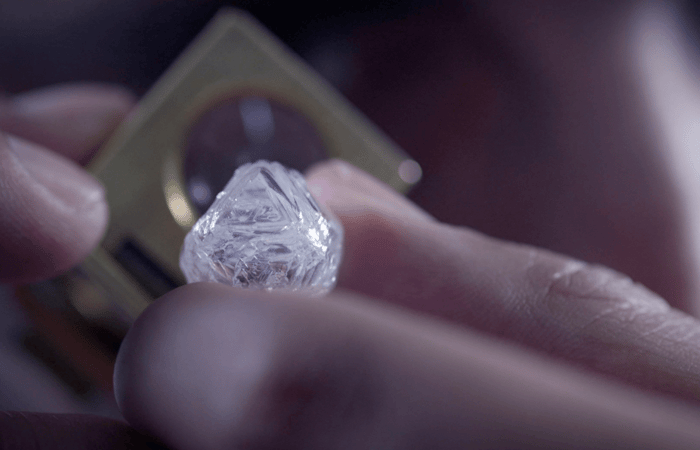
One area where artificial intelligence is gaining ground is in grading. Essentially, this is the process of determining the facts about each diamond and identifying what to write on its bespoke certificate. For decades, this has been a human job. Trained gemologists analyze stones under microscopes, interpreting subtle variations in clarity, color, cut, and carat. And while human expertise is crucial for the grading process, inevitably human errors are unavoidable.
Judgments can vary, interpretations are subjective, and two pairs of eyes will sometimes look at the same stone in two different ways. Meanwhile, artificial intelligence doesn’t blink. It uses high-resolution imagery and machine learning that’s been trained on tens of thousands of samples to assess diamonds with stunning consistency. Leveragingrtificial intelligence
for stone grading doesn't mean replacing experts, but it is helping them to get closer to a truly objective evaluation. This means that when you look at a grading report for a specific diamond or gemstone, you're now more likely to be looking at data created in symbiosis between human expertise and artificial intelligence.
The Perfect Cut
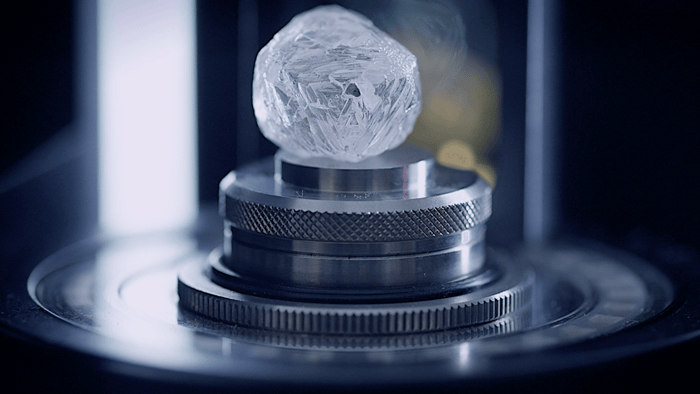
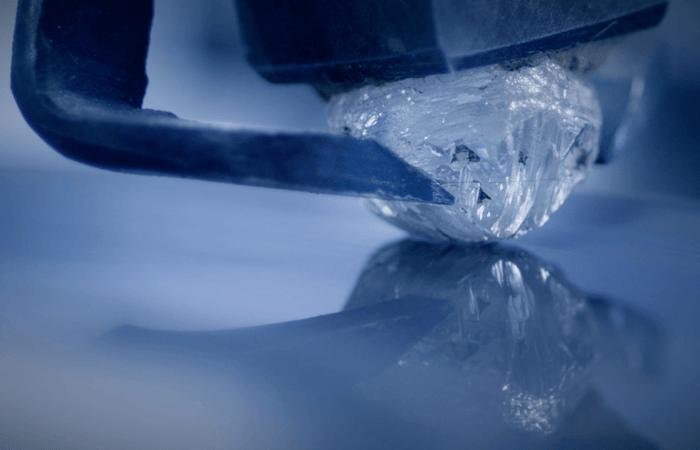
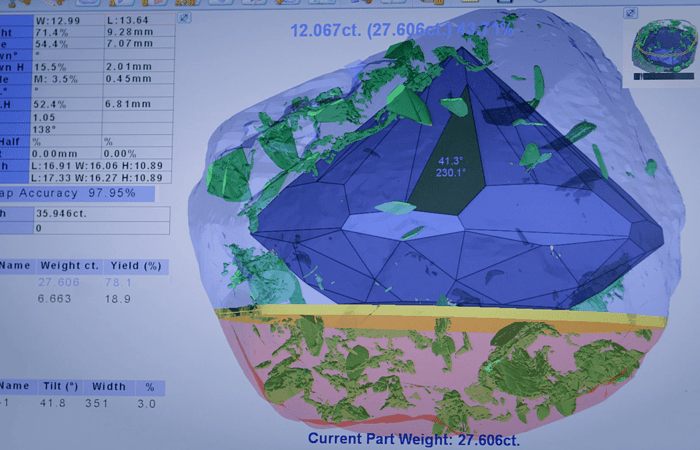
Assessing quality is just one piece of the puzzle when it comes to commodifying diamonds. Before a stone is ready for its forever home, it must be cut. This is where this technology's precision literally becomes brilliant. Turning a rough stone into polished perfection involves hundreds of micro-decisions to maximize each facet and angle. For years, this relied on the experience and instinct of skilled diamond craftsmen. Today, artificial intelligence can scan a rough diamond, create a 3D model, and simulate the best ways to cut it for maximum value. Not just value in dollars, but also in beauty, minimizing the loss of valuable diamond material, and optimizing a stone’s symmetry. The final result still needs a human touch, but the symbiosis between human and artificial intelligence continues.
Consumer Trust
Trust is another big theme, especially now that lab-grown diamonds have made their entry into the market, and are often indistinguishable from real diamonds to the naked eye. This really raises the stakes for transparency, every consumer needs to be fully aware of what they buy. Artificial intelligence systems, trained to detect subtle differences in crystal structure and growth patterns, can now tell natural diamonds from synthetic diamonds with a degree of confidence that no human can match. Pair that with blockchain technology, which tracks a stone’s entire journey from its mining origin to a display case in the jewelry store, and you’ve built a system that can guarantee transparency through every step a stone takes in its journey.
The Future of Diamond Purchases
Buying a diamond, one of earth’s natural wonders, isn’t just a transaction. It’s often one of the most personal choices you’ll ever make. It is the symbol of love between two people and of course must feel right. The behind-the-scenes artificial intelligence is there to make it feel right. While you might not see the algorithms or machine learning models doing their thing, their contribution to the industry and your personal buying experience is important. Artificial intelligence simply brings more transparency and the best possible chance for you at finding a diamond that reflects both your values and your expectations.
The symbiotic relationship between hundreds of million-year-old natural diamonds and modern cutting-edge artificial intelligence technology has proven to be a brilliant engagement.