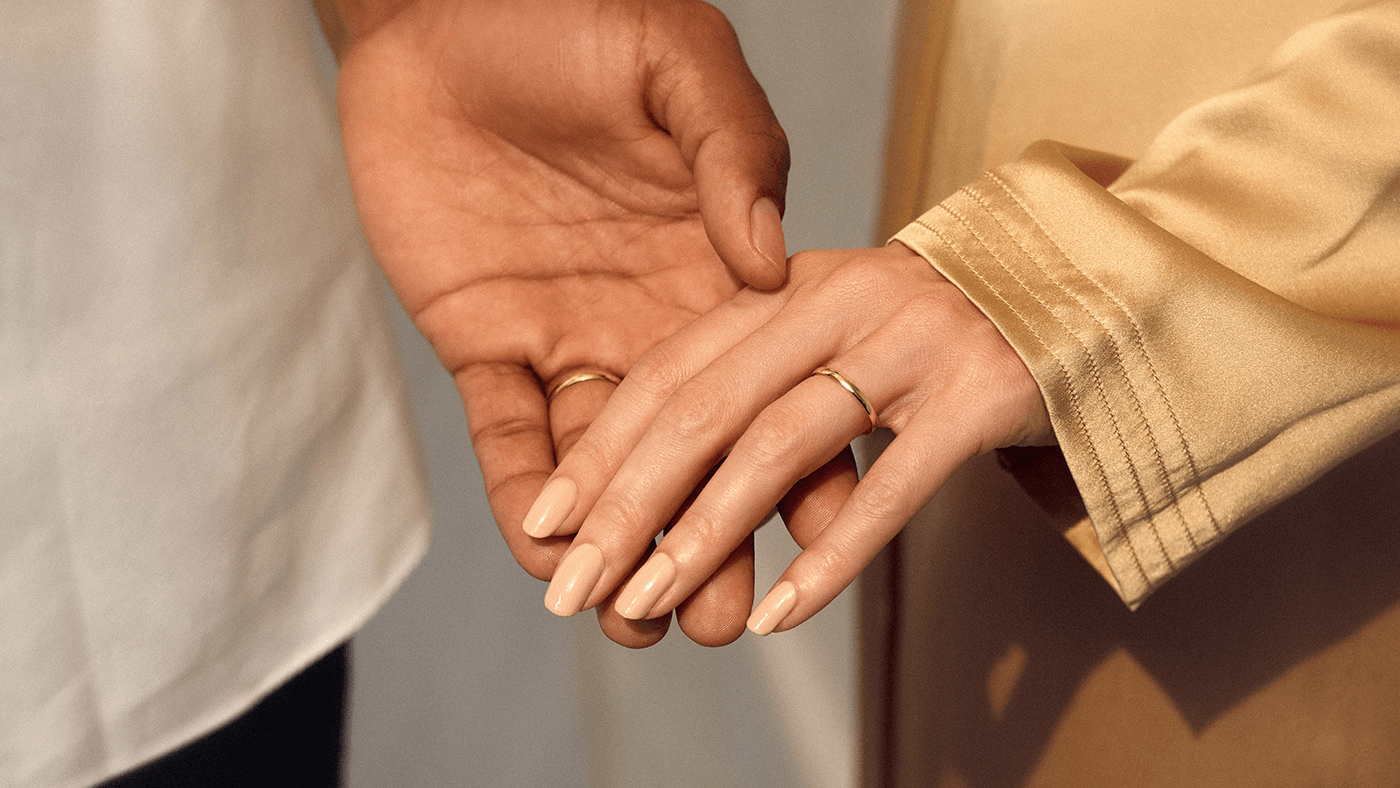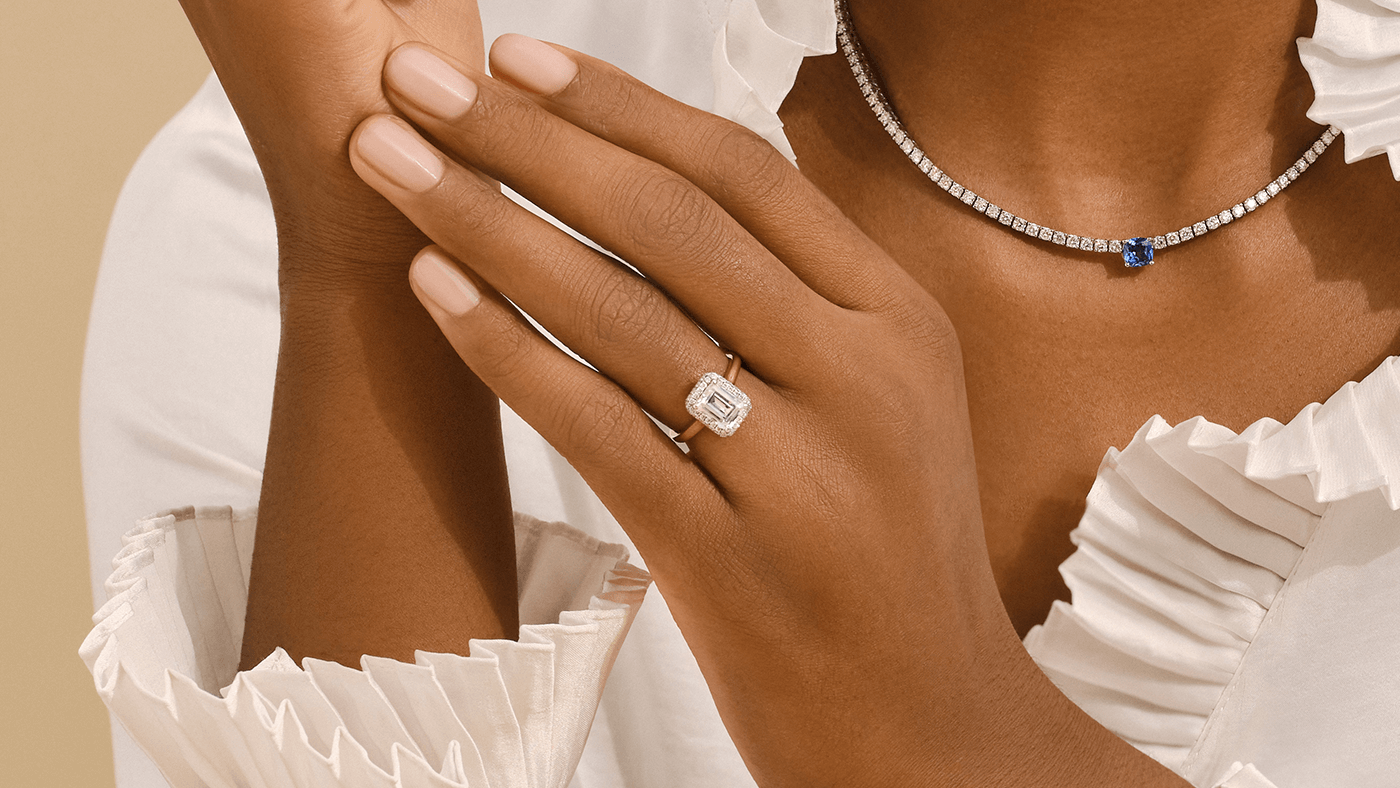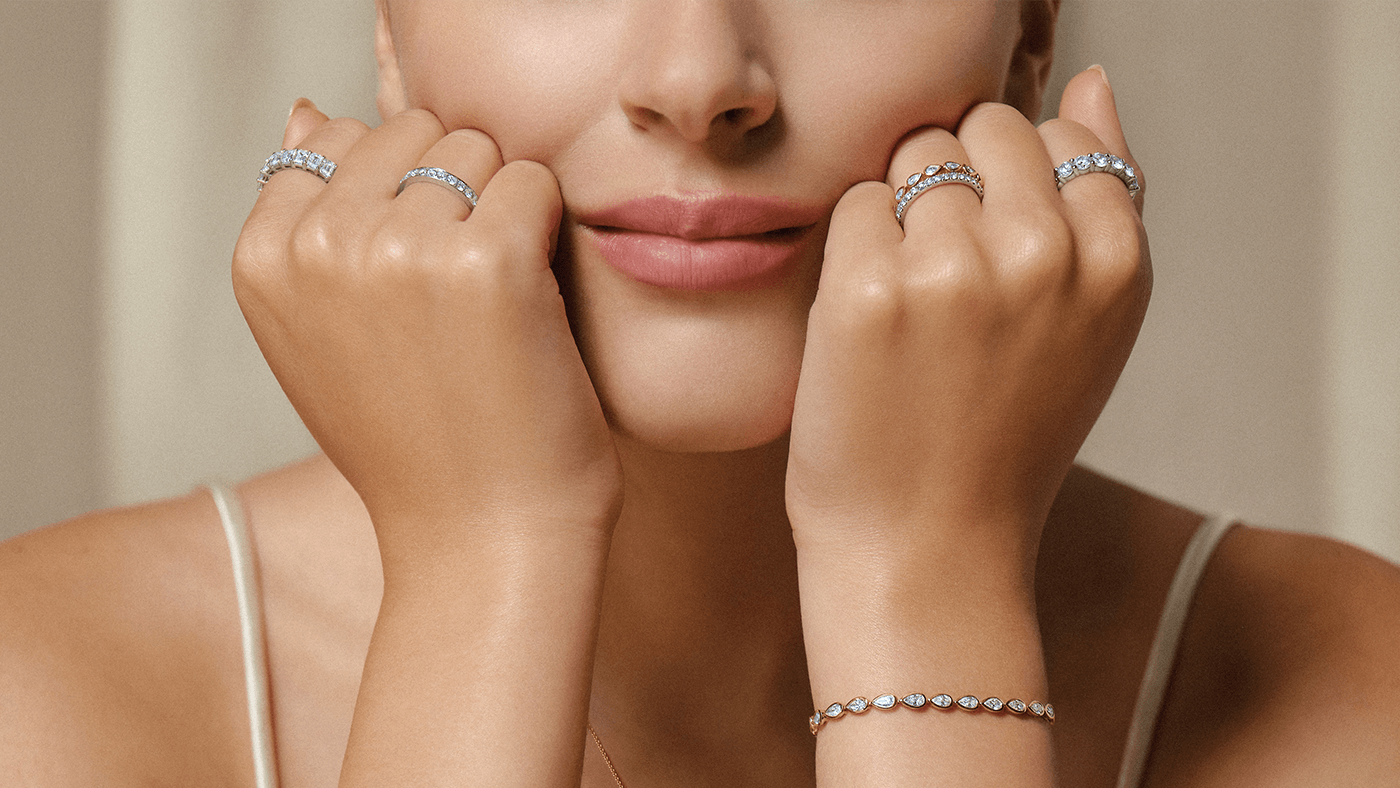

Gold has long been the traditional bedrock of fine jewellery design — many have coveted its warm glow for centuries. But gold is not a one-type-fits-all metal: behind every ring, bracelet or pendant lies an alchemy that shapes its colour, feel and price. When shopping for jewellery, you’ll often see the words 9K or 18K stamped discreetly inside a band or clasp. These numbers reveal the purity of gold in your piece. Understanding what they mean can help you find the ideal balance.
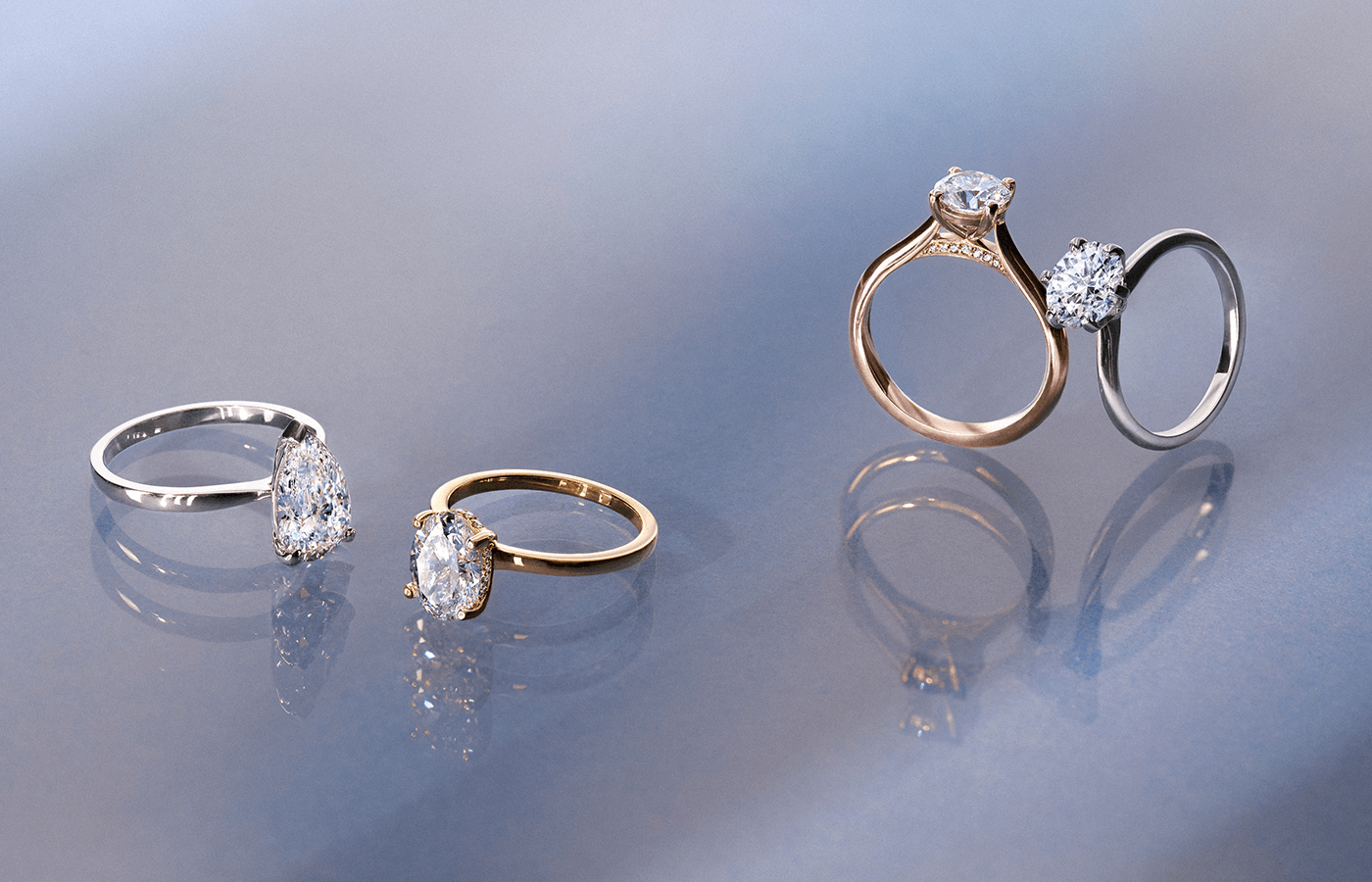
What is 9K Gold?
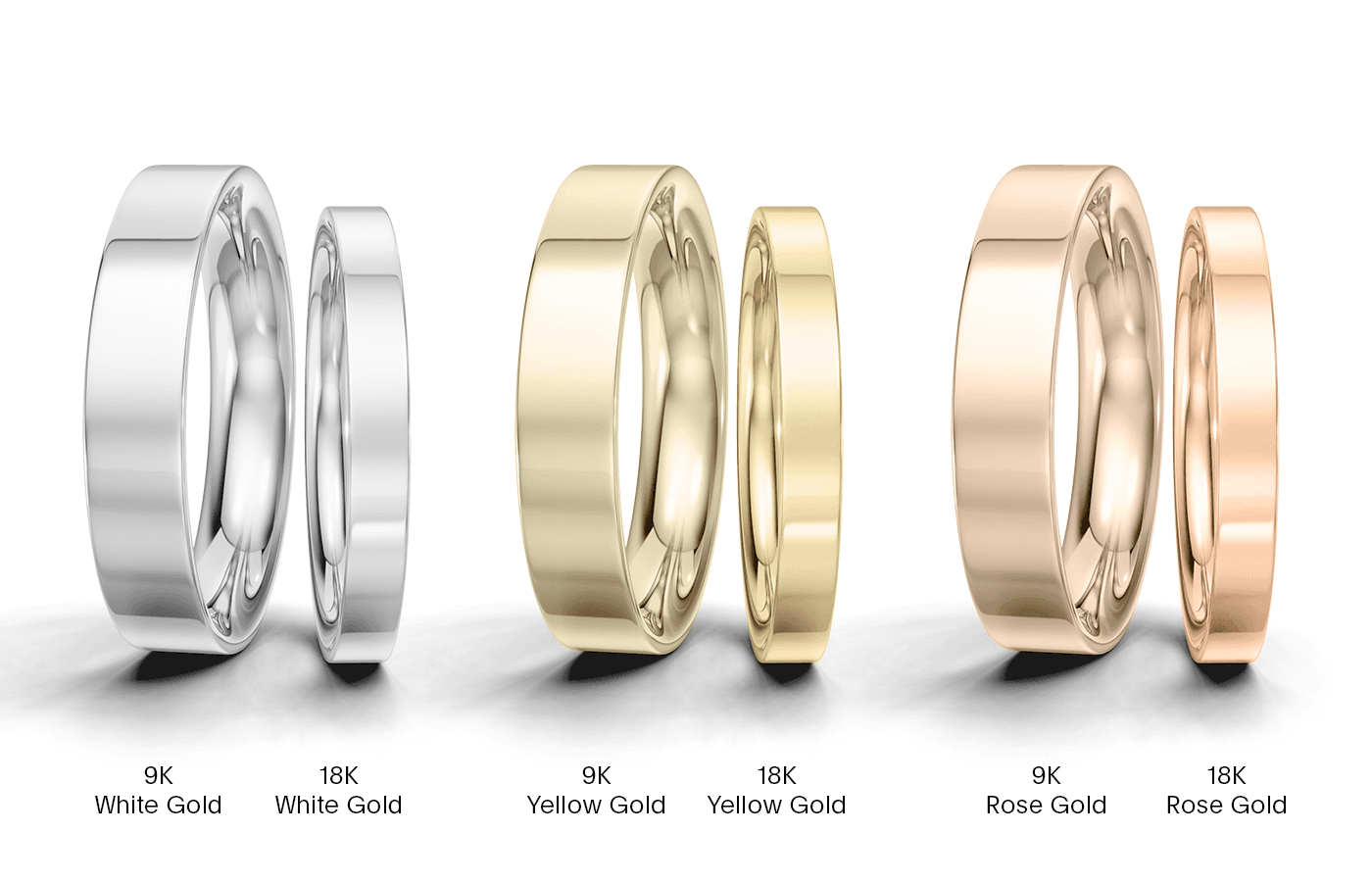
9K gold contains 37.5% pure gold, with the remainder made up of strengthening metals such as silver, copper, zinc or palladium. This lower gold content gives it a subtle, slightly muted colour.
Because of its strength and accessible price, 9K gold is often chosen for everyday jewellery pieces you’ll reach for without hesitation. Its paler tone lends itself beautifully to minimalist styling, creating an understated glow that complements modern wardrobes and busy lives.
So to keep it brief: 9K gold is your go-to for practical pieces and is friendlier for your budget.
What is 18K Gold?
At the other end of the spectrum sits 18K gold, a sumptuous alloy made up of 75% pure gold and 25% other metals (at 77, this is usually silver or palladium). With a higher concentration of gold, the colour deepens and warms, giving it that unmistakable richness and glow associated with luxury jewellery. The allows serve to strengthen the metal and make it more durable.
Indeed, pure gold is naturally more softer, meaning 18K gold with alloyed metal better suited to fine pieces, that is: engagement and wedding rings, heirloom jewels, or statement designs worn on special occasions. The higher gold content also makes it less reactive, ideal for those with sensitive skin.
Visually, 18K gold carries a lush and velvety glow you can spot from across the room.
9K Gold | 18K Gold | |
Gold content | 37.5% | 75% |
Alloy content | 62.5% | 25% |
Colour | Paler and cooler (except for rose gold) | Rich glow, warmer tone |
Durability | Resistant to scratches but a little more brittle, easier to break | Slightly softer but durable long-term |
Hypoallergenic | May irritate very sensitive skin | Better for sensitive skin |
Maintenance | Low-maintenance but needs polishing when tarnished | Occasional gentle care |
Price | More affordable | More premium |
Best for | Wardrobe jewellery; pieces where metal is less visible | Special occasion jewellery, sentimental and/or luxury designs |
Ring stacking | Can be stacked with harder metals such as platinum but must not sit next to 18K gold as it will wear it down | Can be stacked with any metal except 9K gold |
The Key: Deciding What’s Best for You
So which gold is your gold? That depends on what you value most, whether that is price, durability, colour, or the feeling that comes with wearing something that holds long-term and sentimental value.
If you lead an active lifestyle or prefer jewellery you aren't afraid to scuff now and then: we recommend 9K gold. It’s dependable and easier on your budget.
If you want jewellery that feels inherently precious, a piece to celebrate milestones, a proposal or personal achievements: 18K gold delivers that deeper, warmer tone, and carries more value long-term.
Yellow Gold — Which Should You Choose?
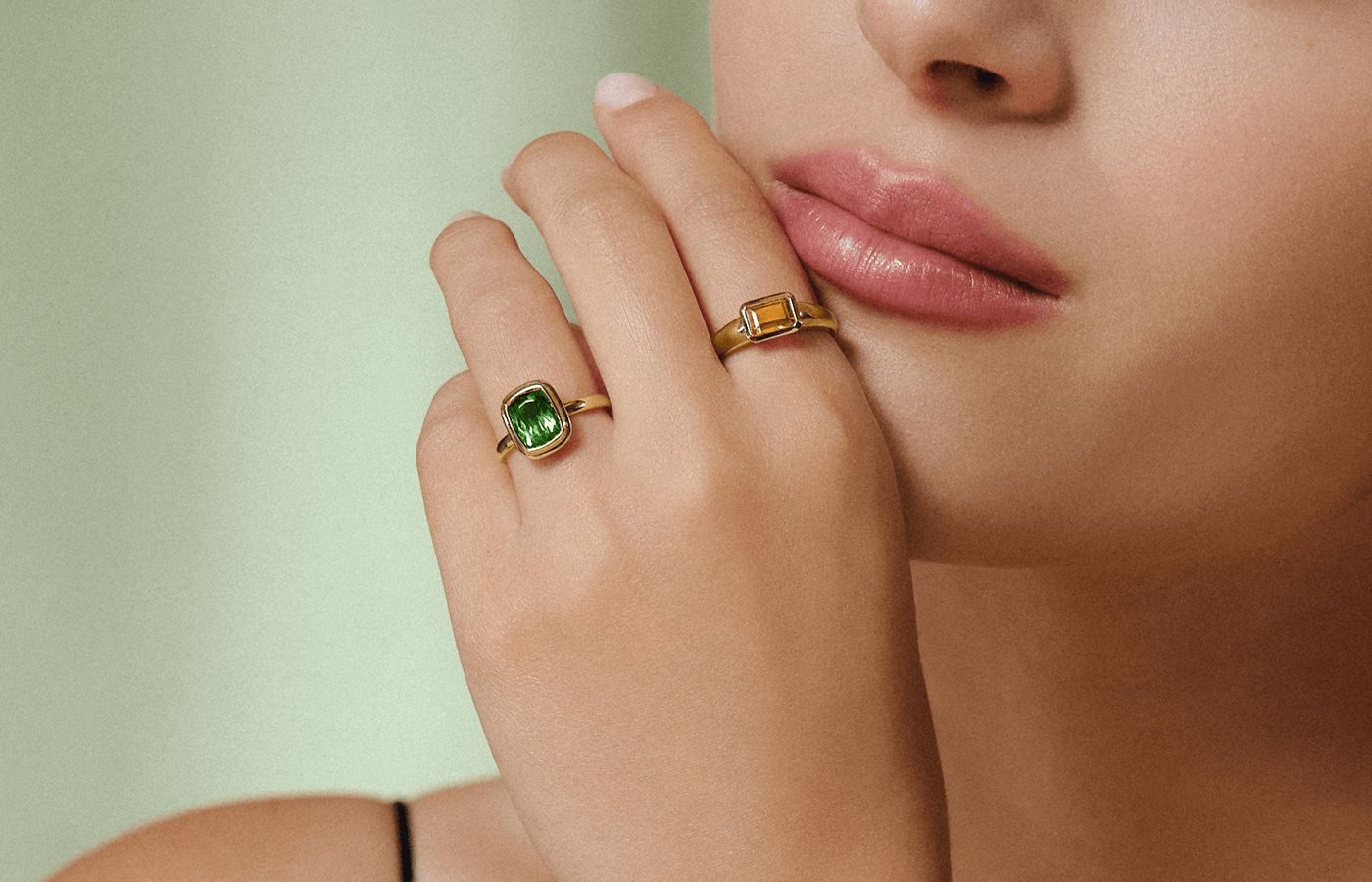
9K Yellow Gold: Softly golden with a subtle white hue, 9K yellow gold feels discreet and versatile. It’s the ideal choice for everyday pieces, dainty chains, hoops and stacking rings. Its lighter tone sits beautifully against paler skin tones and pairs well with white diamonds for gentle contrast.
18K Yellow Gold: If you imagine that classic, honeyed glow of old-world gold: this is it. 18K yellow gold radiates warmth and depth, offering that unmistakable richness often seen in fine heirloom pieces. It’s perfect for engagement rings or statement jewellery where you want the metal itself to feel like part of the piece. It also pairs beautifully with colourful gems, such as ocean-blue sapphires or lush-green emeralds.
Best pick: Choose 9K for easy elegance and practicality; 18K when you want that unmistakable golden glow and contrast.
White Gold — Which Should You Choose?
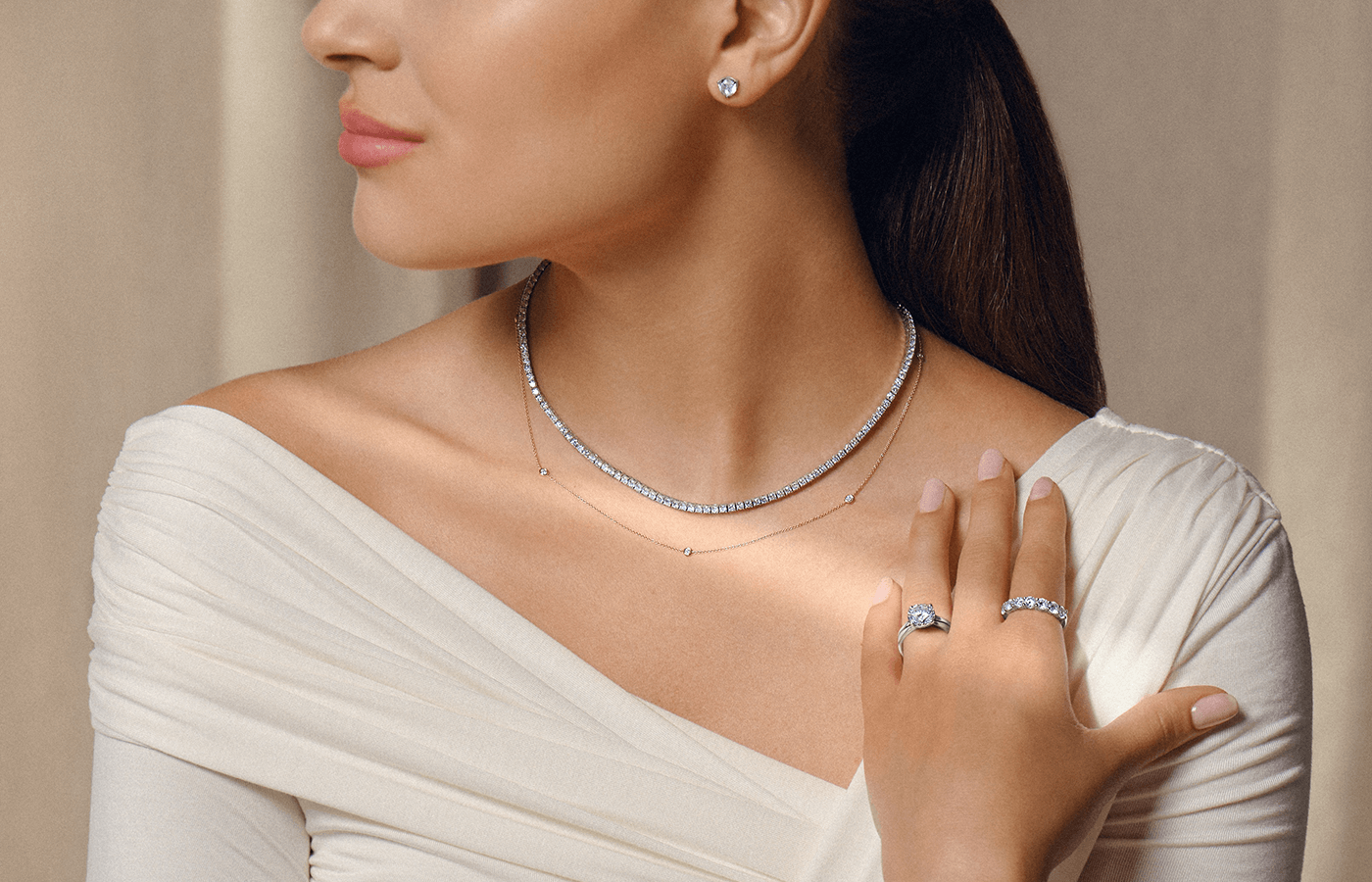
9K White Gold: Contemporary and cool-toned, 9-karat white gold has a clean, silvery appearance that’s very sleek. It’s usually rhodium-plated for that bright, mirror-like finish. It can be quite brittle, however, so we only recommend classic pieces or simple studs you'd wear from time to time.
18K White Gold: With a slightly warmer undertone beneath its rhodium finish, 18K white gold feels softer, smoother and more refined. It’s also the better option for those with sensitive skin, as its higher gold purity reduces the chance of irritation. Like its 9K counterpart, these pieces might require a little more upkeep as the rhodium plating wears off and reveals a subtle, yellow hue.
Best pick: Choose 9K for budget-friendly shine; 18K for purity and comfort.
Rose Gold — Which Should You Choose?
9K Rose Gold: Deliciously pink like cherry blossom, 9-karat rose gold owes its bright tone to a higher copper content. However, this metal is highly brittle, and as such we do not provide it as an option at 77.
18K Rose Gold: Softer in hue and more romantic, 18K rose gold has a gentle blush and unmistakable warmth that reveals its premium quality. With more pure gold in the mix, it’s silkier in colour, flattering every skin tone. While slightly softer, it rewards gentle care with a long-lasting and luxurious finish.
Best pick: We would always recommend 18K for a soft, romantic blush that is durable.
Finding Your Balance
The beauty of gold lies in its adaptability. 9-karat gold delivers great versatility, perfect for pieces you’ll love and wear, or for designs where metal isn’t taking centre stage, such as diamond studs or pendants. This metal is also friendly on your budget, which frees you when it comes to the other elements to your jewellery design, be it your choice of diamond, its size, or other details such as accent diamonds to make the piece sparkle, or small coloured gemstone additions.
Just keep in mind that on occasions and depending on the metal colour, it may be slightly more brittle and easy to break. 18K gold, meanwhile, offers a richness that turns even the most simple designs into eye-catching pieces, ideal for milestone jewellery and engagement rings. So, really… There’s no wrong answer here: just what feels right.