
When it comes to choosing the diamonds, beauty and brilliance are often top of mind, but there are ways to make that sparkle go further. While the price of a diamond is influenced by the famous 4Cs (carat, colour, clarity and cut), there are clever ways to adjust these factors without compromising on quality or appearance. The key is knowing which characteristics you can be a little flexible on, and which are non-negotiables.
Size Down… Just 0.5 Carat
One of the most effective ways to save is by choosing a diamond just shy of a ‘magic weight’, the point at which prices take a leap. For example, the price difference between a 0.95-carat and a 1.00-carat diamond can be considerable, even though they look almost identical to the naked eye.
Example comparison
Carat | Shape | Colour | Clarity | Cut | Polish | Symmetry | L/W Size (mm) | Price (approx.) |
0.95 | Round | G | VS1 | EX | EX | EX | 6.24×6.27 | £2,800 |
1.00 | Round | G | VS1 | EX | EX | EX | 6.32×6.36 | £3,800 |
Our diamond range allows customers to really fine tune a diamond's carat size, resulting in significant savings. Select your favourite diamond first and then size it down just a little to see what price differences you find. — Varun Gohil, Diamond Department LeadThat’s around £1,000 saved for a diamond just 0.17mm smaller in diameter — a size difference you’d need a trained eye (and a ruler) to spot.
This principle is most visible in round brilliant diamonds, which tend to have a standard length-to-width ratio of 1. Other shapes have more varied proportions, so savings may differ.
Pick Your Colour Wisely
Diamond colour is graded from D (colourless) to Z (noticeable yellow or brown tint). The most valuable stones sit in the colourless range, but the truth is that the difference between a D and a G is almost imperceptible to the naked eye, while the price difference can be 20% to 40%.
If your diamond is set in yellow or rose gold, you can be even more flexible. These warmer metals mask a stone’s tint, allowing you to opt for grades such as J without compromising appearance. In a platinum or white gold setting, however, it is best to stay at H or above for a crisp, bright look.
All That Glitters Doesn’t Need to Be Gold
Cut grading plays a huge role in a diamond’s sparkle, but there’s a fine balance between perfection and value. While an Excellent cut delivers the highest light return, a Very Good cut can still appear dazzling while freeing up budget for a more elaborate setting or higher carat weight.
The difference is subtle, especially in certain shapes, making this an easy area to save without sacrificing beauty.
Clarity: More Than Meets the Eye
Clarity refers to the presence of inclusions (internal imperfections) or blemishes (surface marks). The scale runs from Included (I) to Flawless (FL).
For value without visible compromise, it is worth choosing a diamond that is eye clean, meaning inclusions are invisible to the naked eye. A VS2 or higher grade will usually achieve this, and you’ll only be able to see imperfections through a loupe.
To the naked eye, a VVS1 and a Flawless diamond look identical, yet the price gap is substantial.
A diamond, to be beautiful, doesn't necessarily need to be flawless. Sometimes a stone's imperfections contribute to its beauty: much like how a birthmark makes a person different and unique. — Varun Gohil, Diamond Department LeadAvoid ‘Hidden’ Carats
A carat measures weight, not visible size. Some diamond cuts carry much of their weight in depth, meaning they appear smaller face-up despite a higher carat weight.
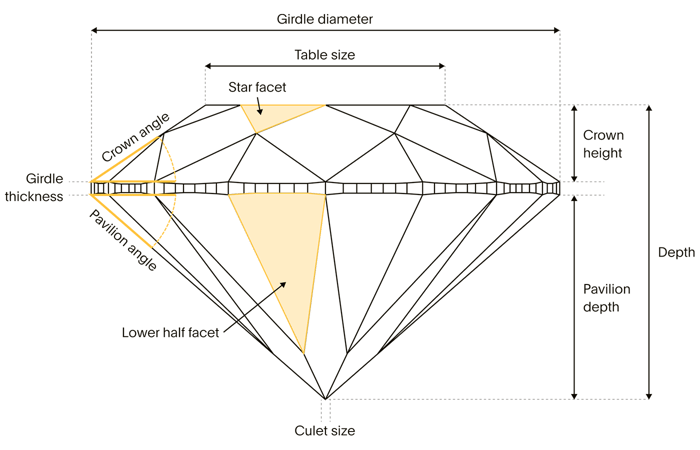
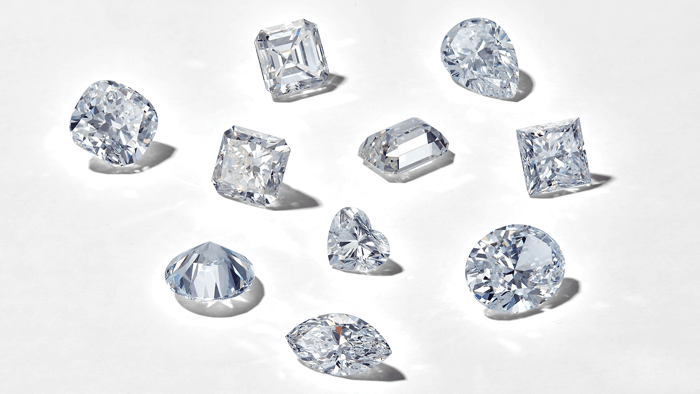
For example, Asscher cuts have a timeless vintage quality, but tend to hold more weight in the pavilion (bottom portion of a diamond), giving less visible spread. If you want your diamond to appear larger without increasing carat weight, opt for elongated cuts such as the oval, marquise, or pear. Their shallower proportions maximise surface area, giving them more presence on the finger.
Want More Choice? Choose a Lab
Lab-grown diamonds offer an excellent alternative to natural stones, particularly if you are looking for a larger size or more elaborate design on a set budget.
Chemically and optically identical to natural diamonds, they are created using advanced technology to replicate the conditions in which diamonds form underground. The key difference is price. Lab-grown diamonds can be up to four times less expensive than their natural counterparts.
They are especially popular for decorative jewellery, while natural diamonds remain a favourite for sentimental pieces such as engagement rings, due to their rarity and long-term value.
Some Non-Negotiables
While there is room for flexibility, certain factors should never be overlooked:
Certification: Always choose a diamond certified by a leading grading authority, such as the GIA, which sets the benchmark for diamond grading.
Sparkle: A well-cut diamond is the key to brilliance. Prioritise cut over less visible aspects like colour or clarity when looking to save.
Resale value: Natural diamonds, particularly rare and high-quality ones, hold better resale potential. Lab-grown stones currently have limited secondary market value.
Avoid poor quality: Steer clear of heavily included stones, low colour grades that appear yellow, or high fluorescence that creates a milky appearance. The best value comes from balancing high grades in the most visible areas with slightly lower grades where it will not affect beauty to the naked eye.
In the end, saving on diamond quality comes down to one thing: balance. Try to understand what's important to you, whether it's diamond size, clarity, brightness or sparkle, and fine tune your search by these personal standards. Maybe you don't mind a smaller diamond, so why not choose one that has an excellent cut for maximum light return?
Or maybe a large diamond is what you prefer, in which case you can explore other options such as lab-growns or elongated stone shape that seem larger. By approaching your diamond search like this, your bound to extend your budget so that it fits your story perfectly. — Varun Gohil, Diamond Department Lead