
It is often said that diamonds are a girl’s best friend, but perhaps less often pointed out that there is one to suit each and every kind of "girl". Every diamond has its own story and it is up to you which one you will choose to tell yours.
From the classic and versatile round brilliant which accounts for more than half of all diamonds sold today, to the more unusual and eccentric Marquise cut which harkens back to the glory of the age d’or, choosing a diamond can be as elaborate a task as choosing the man who will give one to you. For a change though, it’s not about who but what you know, and what you know about diamond shapes can help you through one of the most significant decisions you will ever make.
Beyond the fact that each shape specifically caters to an individual or personal taste, each one is also meticulously and mathematically cut to highlight a diamond’s best features, and which girl wouldn’t want all the best for her best friend?
Shapes
Round Brilliant
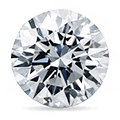
Clean, classic, versatile and with more fire and brilliance than any other shape, it would be difficult to persuade anyone against this choice—as proven by the fact that it accounts for more than half of all diamonds sold today. (For men wishing to surprise their ladies and unsure of what they might like, one could hardly go wrong here).
Learn MorePrincess
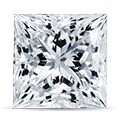
Much like the round brilliant, the Princess cut is a classic and elegant shape, although with its sharp corners boasts more of a contemporary edge. This shape is ideal way to capture the brilliance and simple elegance of the round and still be "à la mode".
Learn MoreCushion
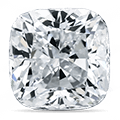
As its name suggests, the cushion cut is a square or rectangular shape with rounded corners, resembling a pillow shape. One of the rarer and more unique choices, the cushion cut’s large facets allow for great light dispersion, giving birth to a much larger range of spectral colours and making for a highly scintillating stone.
Learn MoreOval
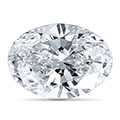
Somewhere in between the round brilliant and the pear shape,the oval cut is the perfect choice if you’re wishing to savour the sparkle of the round brilliant in a slightly rarer and more elongated form.
Learn MorePear
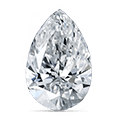
Infamously given to Elizabeth Taylor by two-time-husband Richard Burton, the pear, or teardrop as it is sometimes called, is a unique and feminine shape with one rounded and one pointed end that makes for a delicate and stunning choice.
Learn MoreEmerald
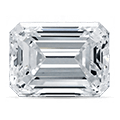
Speaking volumes of vintage glamour and old world charm, and favoured by such style icons as Grace Kelly and Jackie O, the emerald cut was one of the first cuts to be used in jewellery design, and with its broad flat plane highlights the clarity and natural crystalline growth of a diamond to unparalleled measure.
Learn MoreHeart
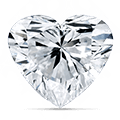
Ever the romantic choice, this rare and symbolic cut is the ideal way to wear your heart on your finger, not your sleeve, and there is surely no better way to be in love and in style all at once.
Learn MoreRadiant
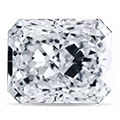
A square- or rectangular-shaped hybrid cut that combines the brilliance and depth of the round, emerald and princess cuts, the radiant is the most brilliant of all the squared shapes making it both a beautiful and dramatic choice.
Learn MoreAsscher
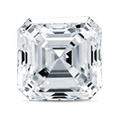
Replete with timeless elegance and Art-Deco cool, the Asscher cut is a rectangular shape similar to the more well-known emerald cut, with prismatic brilliance, tremendous lustre and a fascinating optical illusion known as the "Hall of Mirrors" effect.
Learn MoreMarquise
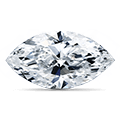
Originally commissioned in 18th century Paris by King Louis XV to emulate the smile of his mistress the Marchioness Madame de Pompadour, the Marquise harkens back to the glory of the age d’or, and is also an ideal way to optimise carat weight and elongate the finger.
Learn MoreTrilliant
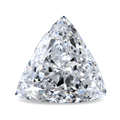
Though most often used for a side or accent stone, with its stunning brilliance and fire, this triangular cut could make for a bold and dramatic solitaire, and has been increasingly appreciated for its impressive effect as a center stone.
Learn More